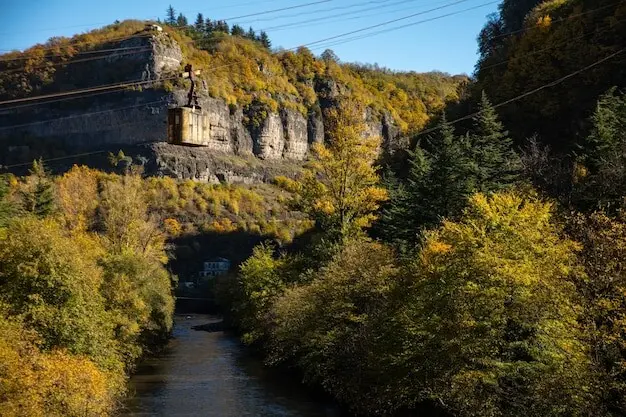
High summer grasses perfume milk with clover, yarrow, and alpine thyme, while cool nights steady the herd and preserve delicate sweetness. Herders rise early, ringing copper with ladles, skimming curds that remember the slope, the sun, and the rhythm of bells. Each wheel told in layers—morning richness, midday vigor, evening calm—becomes a round archive of altitude and weather, a delicious diary you can slice through, discovering paragraphs of pasture under every rind.
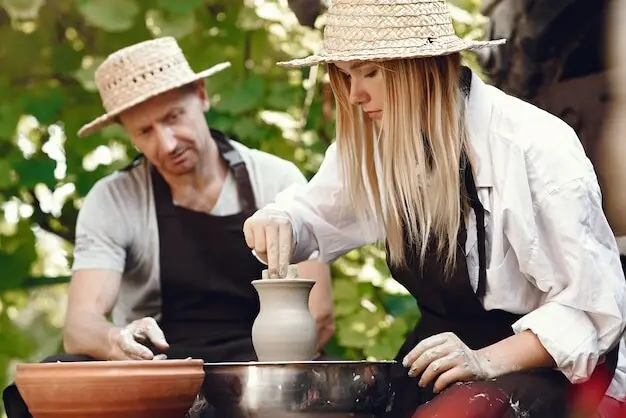
On the Karst, dry-stone walls stitch vineyards against the bora wind, while iron-rich terra rossa stains hands a deep memory of earth. Vines grip fissured limestone, chasing water through hidden channels and drawing a stony accent that lingers like a thoughtful pause. Cellars carved into rock keep steady breaths of cool air, cradling bottles that speak with iron, cherry, and bramble, their voices shaped by wind songs and centuries-old stone vocabulary.
Along the coast, olive groves face the glittering horizon, their leaves flashing silver and green with each briny gust. Roots knit into terraces where sea fog combs the branches before dawn, whispering of anchovy mornings and lemon-bright afternoons. Fruit ripens to a gentle bitterness and peppery spark, promising oils that taste like sunlight poured through a sieve of sea breeze, ready to finish simple dishes with clarity, grace, and patient coastal wisdom.

Ladle soft polenta into warm bowls, crown it with melting slices of a supple, semi-hard alpine cheese, then finish with a bright ribbon of young coastal oil. On the side, sauté wild mushrooms and deglaze with a splash of Teran to underline savory depth. Each spoonful travels from pasture to cellar to grove, wrapping you in steam and story while cold windows blur, conversation deepens, and the table becomes a map you can happily read.
Pack crusty bread, a jar of anchovies, lemon wedges, and a small bottle of piquant oil. Add a wedge of young, lactic mountain cheese for freshness, then chill Vitovska until it wears a light mist. On sun-warmed rocks, drizzle oil over tomatoes, squeeze lemon, and let the wine’s mineral calm meet the sea’s chatter. It’s simple, transportable cooking, where salt, acid, and herbs do most work while stone and breeze sign the postcard.
Shepherds and herders mark calendars by grass height, not apps, shifting cows to let plants recover, protecting soils that sponge spring melt and summer storms. Bells, dogs, and quiet routines keep stress low, translating into cleaner milk and steadier curds. Salt licks, cool shade, and unhurried milking times matter as much as copper vats. The result is a food chain with names and faces, where gratitude tastes like broth and the hillside nods approvingly.
On limestone ridges, growers mend dry-stone walls, compost prunings, and invite cover crops to gossip with bees. They harvest in small passes, accept lower yields, and trust native yeasts to hum the vineyard’s melody. Barrels rest quietly, sometimes large and old, sometimes neutral, chosen for breathing rather than perfume. Their daily work protects not only flavor but also the slow architectures of soil and rock, ensuring each bottle never forgets which cave taught it patience.
All Rights Reserved.